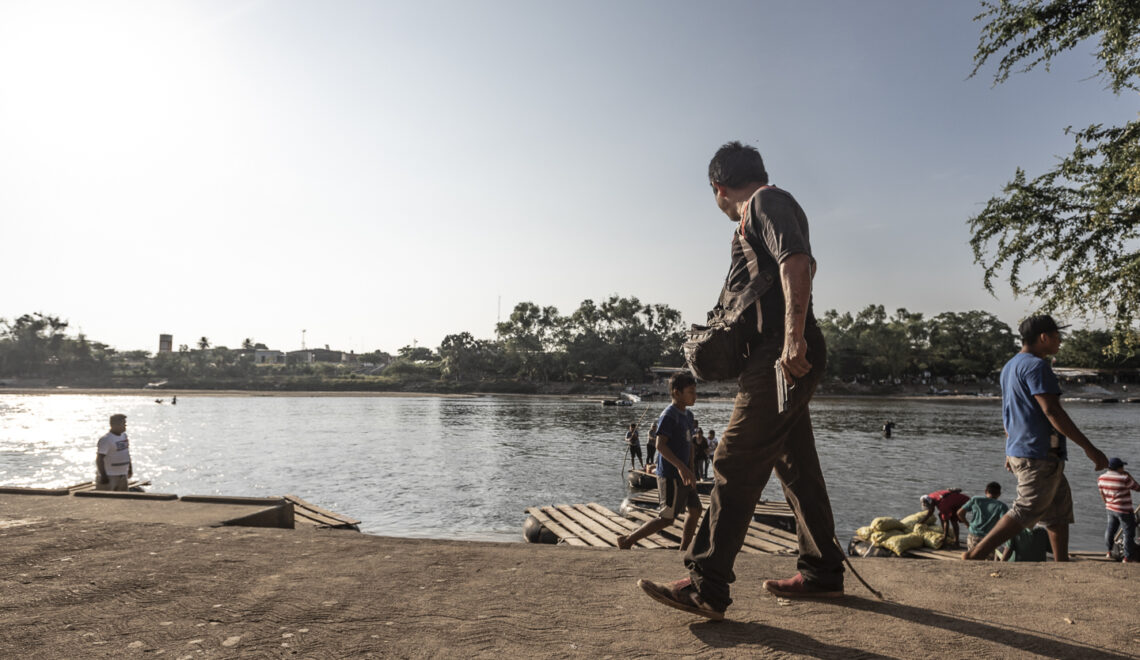
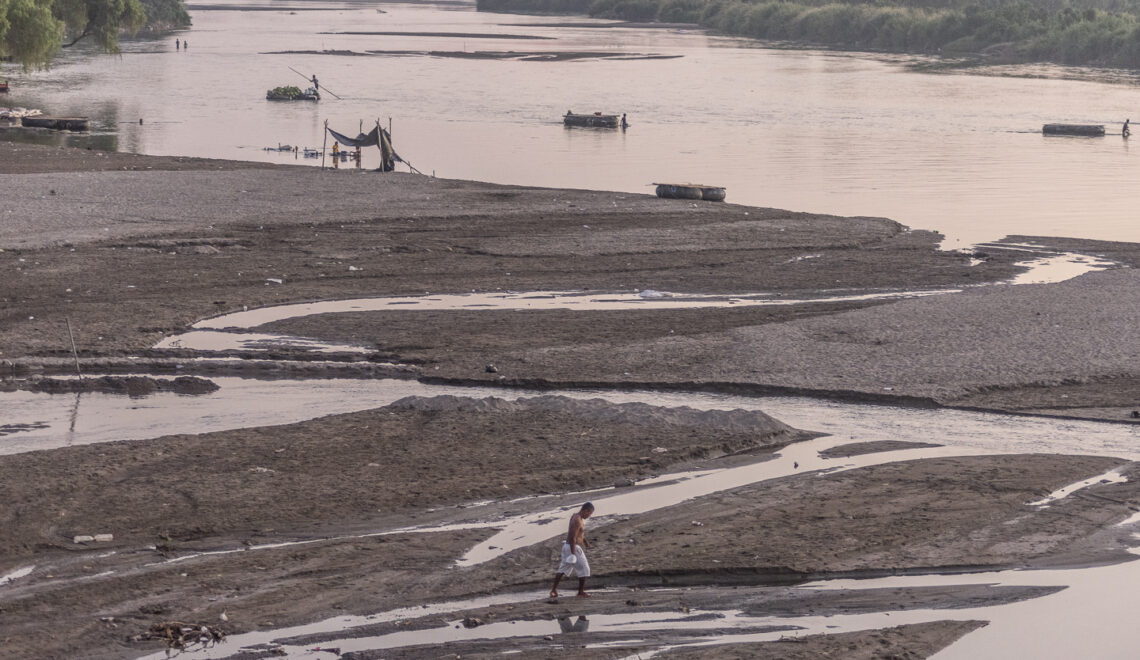
The Suchiate River becomes the liquid border: Mexico is divided here from Guatemala, at least politically and geographically. Here, at this point, which has become an obligatory passage for thousands of Central American and Caribbean migrants in search of the American dream, not only an imaginary strip is crossed, but also a subtle line between socioeconomic concepts “North” and “South”.
Poverty, merchandise smuggling, child labor and the illegal crossing of migrants are some of the most worrying problems in this region, forgotten for hundreds of years by the governments of both countries. Amid seemingly normalized violence, border dwellers do whatever it takes to survive at one of the continent’s most important migration crossings.
On this frontier, the dynamics of work and control have their own meaning. Here, the improbable is considered “use and custom”; the norms and the laws are diluted in the water that divides a continent and two nations. Crossing this river has many meanings, it depends in which direction it is done: if it is from North to South or from South to North, if it is day or night; It depends on the nationality and skin color that people have; crossing it from one side to the other can mean life or death.
“The border is liquid”, is diluted between dreams and memories that navigate the Suchiate River. This invented strip full of life and commerce seems to hide what revolves around it, as if submerging before other people’s and intrusive eyes that do not quite understand the complexity and charm of this place where the border for many and many simply does not exist.
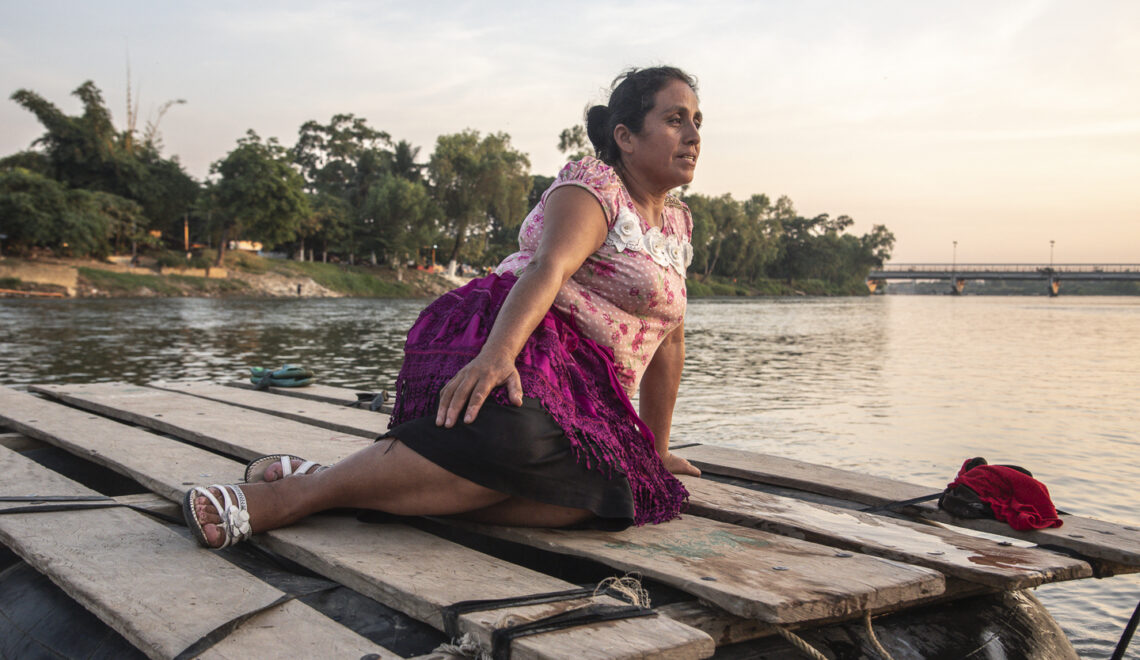
A woman washes her clothes on the Suchiate river between Guatemala and Mexico. She is part of the 37 thousand people who officially live in Tecún Umán, Guatemala, but who, in practice, move between the two countries as if they were oneself.
Suchiate River, Guatemala-Mexico Border, December 6th, 2019 The lack of infrastructure, given the growing number of migrants arriving in Mexico, led the government of this country to have agreed with Evangelical churches in the region so that their temples receive migrants.
Tapachula, Mexico, December 4th, 2019 With the increase in the migratory flow on the border between Mexico and Guatemala, the presence of security agencies in the state of Chiapas increased: in Tapachula (the capital), the policemen mainly guard the city center.
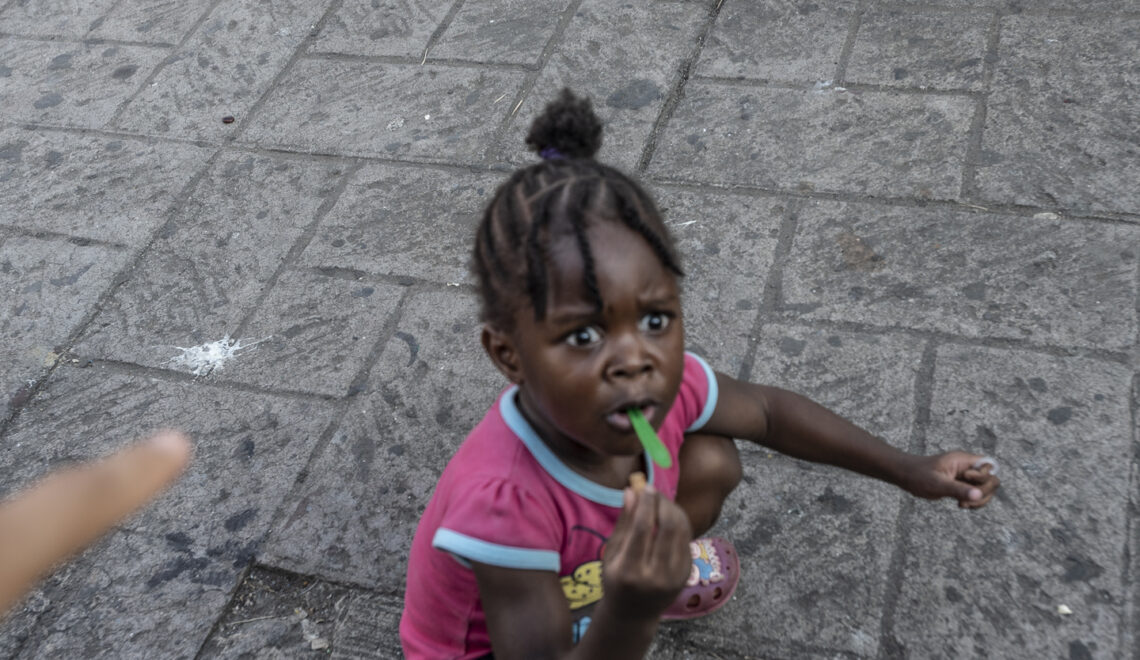
Tapachula, Mexico, December 8th, 2019 One of the main communities that have migrated in recent years is the Haitian; many of these families (traveling with minors) are detained in Mexican territory awaiting a permit that allows them to continue their journey to the North of the continent.
Tapachula, Mexico, December 4th, 2019 Police remove a semi-conscious man from the public thoroughfare. Drug and alcohol abuse in the region is one of the social problems faced by the inhabitants of the border. The transfer and smuggling of illicit substances have increased in recent years.
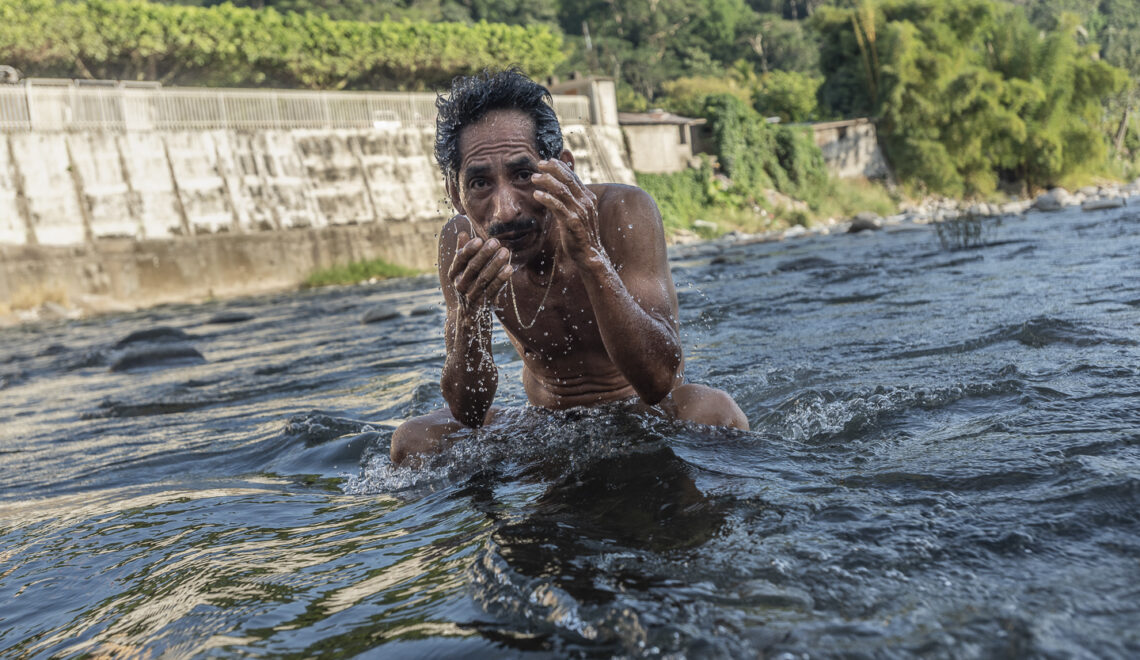
Tapachula, Mexico, December 4th, 2019 A man bathes in the waters of the Suchiate River under the bridge of the Talismán-El Carmen border port, one of the eight formal crossings shared by both countries.
Talismán, Mexico, December 8th, 2019 The presence of the Mexican army has increased since the passage of the “migrant caravans” during 2019. Through checkpoints and checks on Mexican roads, the detection and detention of people in an irregular migratory situation is expected.
Federal Highway 200, Chiapas, Mexico, December 6th, 2019 Hundreds of people make irregular border crossings every day along the Suchiate River. Without registration of these movements, this practice of moving from one country to another without the need to register entry or exit is common among border dwellers who make their living between the two countries.
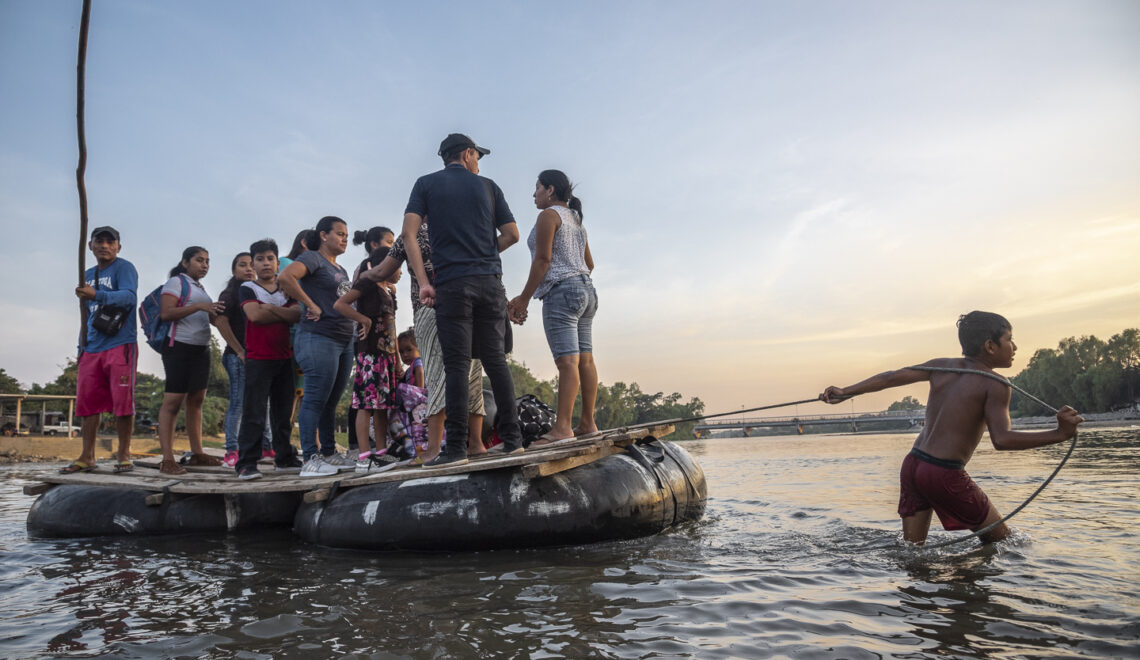
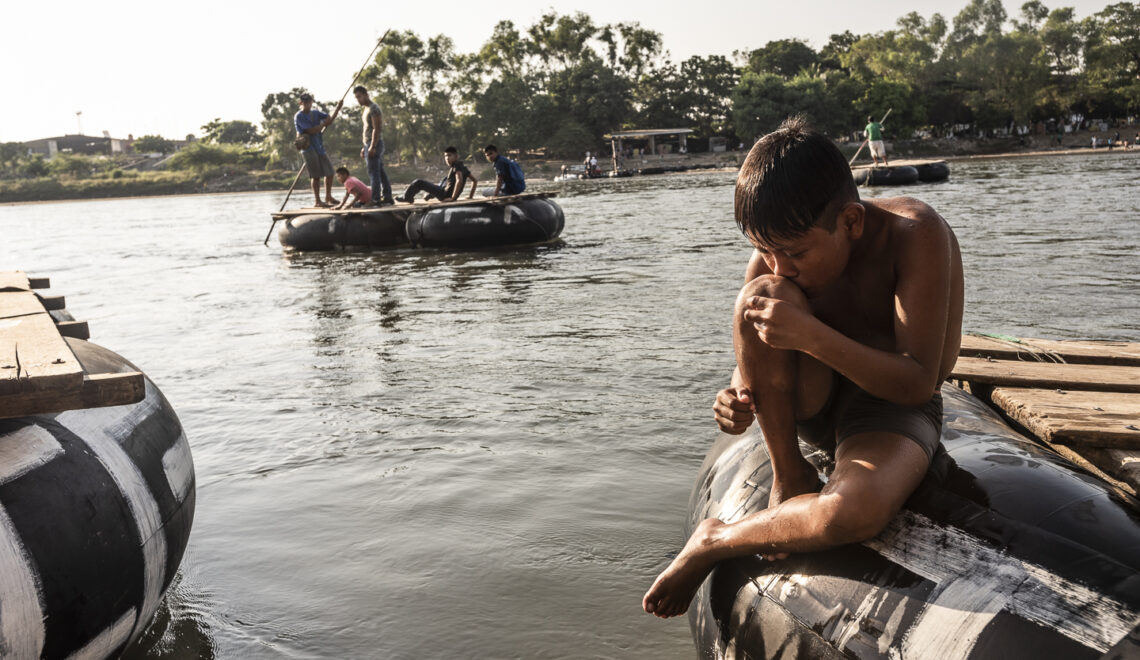
Ciudad Hidalgo, Chiapas, Mexico, December 8th, 2019 Dozens of children work crossing people and goods along the Suchiate River. Mexico ranks second in child labor within the region (more than 2 million minors are employed in some economic activity); these tasks regularly prevent them from continuing their studies or affect their development.
Paso del Coyote, Mexico-Guatemala Border, December 7th, 2019 A father crosses the Suchiate River with his son to cross the border to Mexico. During the lowering of the river, it is possible to cross walking, although this always represents a risk for those who try.
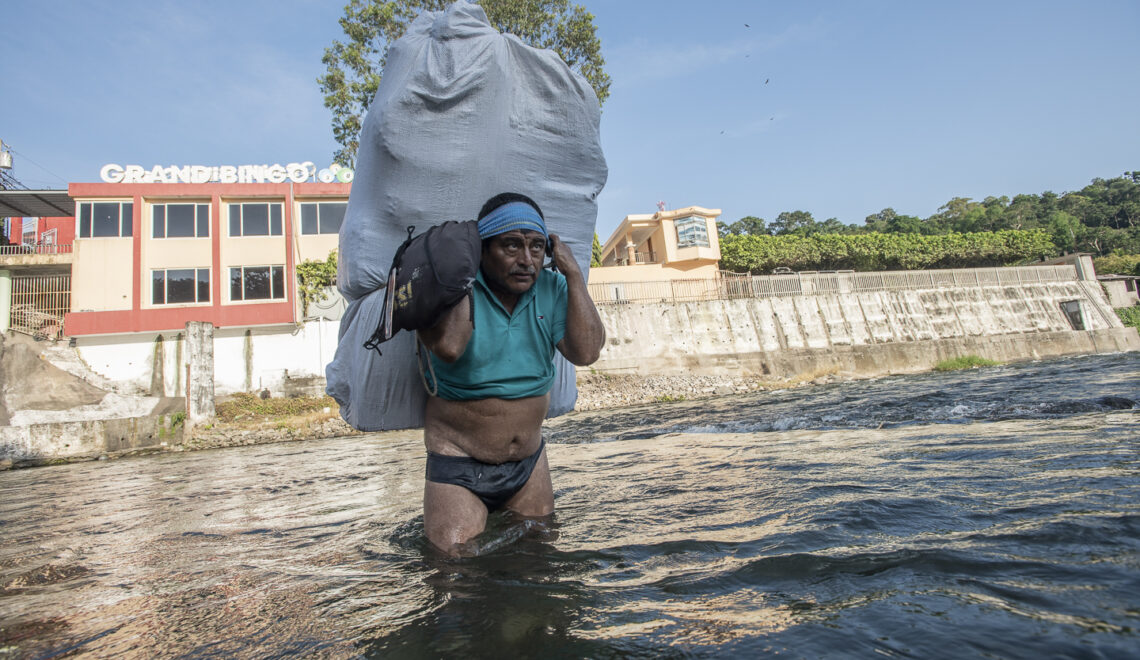
Paso del Coyote, Mexico-Guatemala border, December 5th, 2019 Freight forwarders cross between the two countries products that are not declared or controlled by the immigration authorities. For years, this has been the only source of work for many of the residents, mainly from El Carmen, Guatemala, who daily risk their lives crossing the river with tens of kilos on their backs.
Guatemala-Mexico border, December 8th, 2019 The increase in violence due to the presence of increasingly larger and better organized criminal organizations has spread throughout Central America: They control a large part of the drugs and the “coyotes” that cross people by the river.
Tecun-Uman, Guatemala, December 5th, 2019 The rafters of the border between Guatemala and Mexico run this place through which hundreds of people cross every day. Organized in various working groups, these men (with tacit Governmental approval) are in charge of the control of the real border that makes it possible to access Ciudad Hidalgo, Mexico or Tecun Uman, Guatemala.
Suchiate River, Mexico-Guatemala, December 5th, 2019 The boy takes a break from Tecún Umán’s side, after having worked for several hours helping people and goods cross between the Mexico and Guatemala border. According to the National Institute of Statistics of Guatemala, a third of Guatemalans stop studying before reaching the age of 15.
Tecún Umán, Guatemala, December 5th, 2019 A man works under the bridge that separates Talisman, Mexico and El Carmen, Guatemala. What were previously tractor tires and wooden planks, become the closest possibility to find employment smuggling people and products between Mexico and Guatemala.
Suchiate River, Mexico-Guatemala border, December 8th, 2019 A group of rafters transports alcohol to Guatemala. This practice that is used to evade taxes is common on the border; although there are some police and military in the area, this does not prevent the transit of products and people illegally.
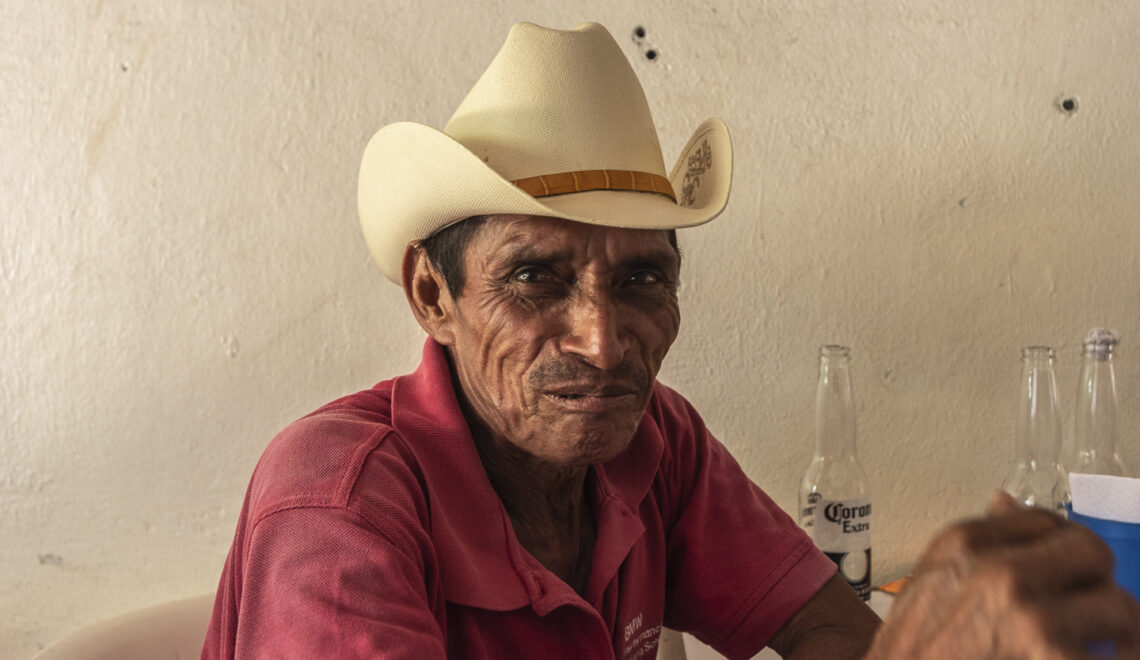
Paso del Coyote, Guatemala-Mexico border, December 5th, 2019. One of the most common and profitable businesses in the border area are the cantinas (bars); with the usual traffic of undeclared alcohol in the area and the high rate of alcoholism in the region, these places are occupied mainly by men: Violence and fights become common practice there.
Tecún Umán, Guatemala, December 5th, 2019 The tattoo says “Chapín”, a word with which many inhabitants of Guatemala identify themselves. The arm is from a Guatemalan migrant stranded in Tapachula, Chiapas, who claims his nationality in this way, waiting for the government of Mexico to receive him as a political refugee. While that happens, the man hangs out in the city.
Tapachula, Chiapas, December 8th, 2019 A large number of minors who grow up around the border crossing “El Coyote” between Guatemala and Mexico divide their lives between work and school. At the border, boys and girls learn early to earn money: The region’s school dropout rate is the third highest in the country.
Ciudad Hidalgo, Chiapas, Mexico, December 7th, 2019 Another labor flow on the Southern border of Mexico is that of domestic workers, made up of Guatemalan women. They work in the main urban border centers, inserting themselves into the labor market at a very early age, which influences the existence of labor abuses: they receive the lowest wages in the region while working hours greater than eight hours a day.
Paso El Coyote, Mexico-Guatemala Border, December 7th, 2019 View of the border between Guatemala and Mexico from the Rodolfo Robles International Bridge, in Ciudad Hidalgo, Chiapas, Mexico. In Ciudad Hidalgo, Chiapas (which divides Mexico from Guatemala), daily, between 200 and 600 people legally cross it (according to official figures) but, because of the rafts that cross under the bridge, between 1,200 and up to 2,500 people actually cross the border (taking into account the ten irregular points found on the banks of the Suchiate River).
Ciudad Hidalgo, Chiapas, Mexico, December 6th, 2019